
NeuroSanyaVasant
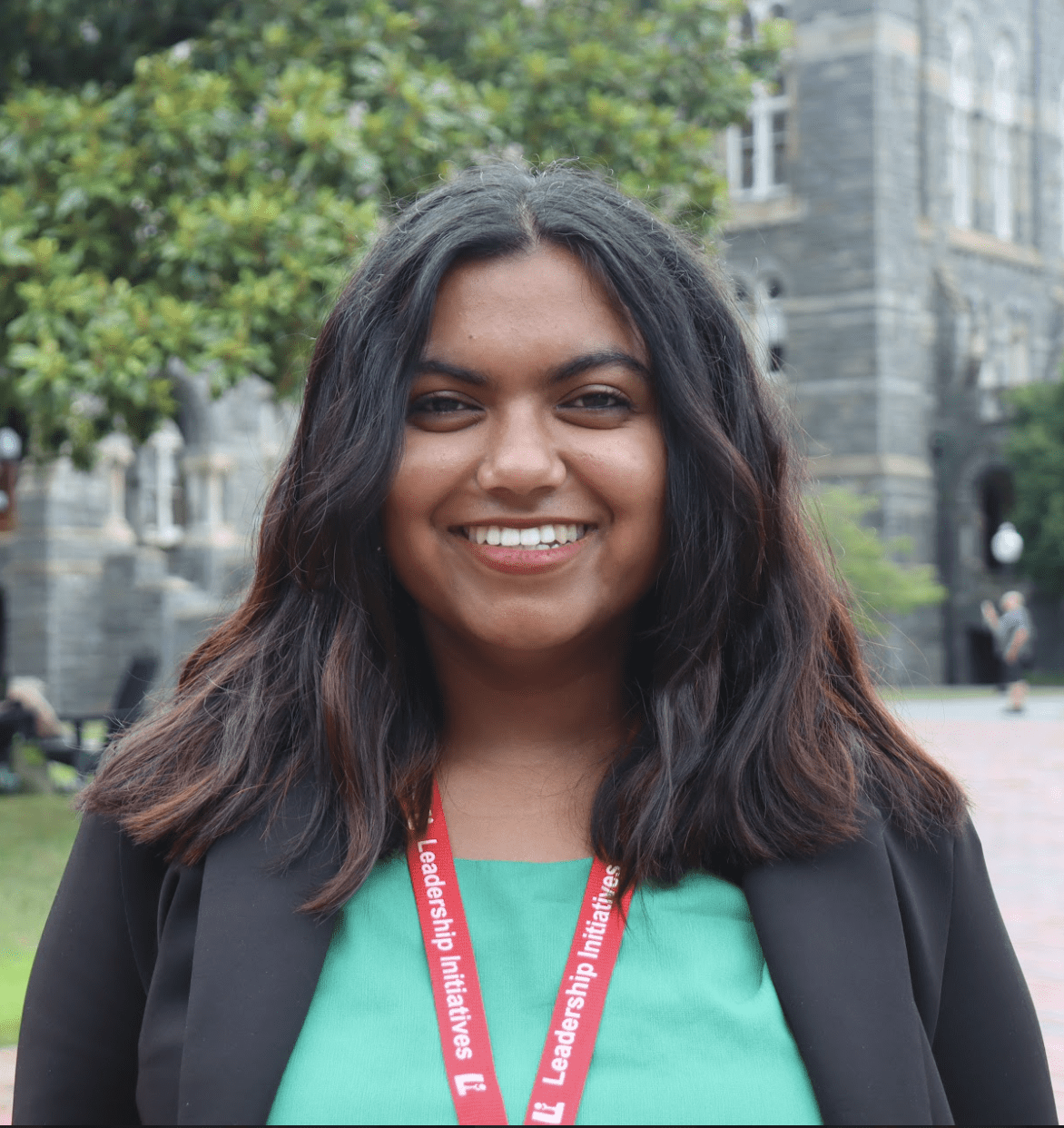
Sanya Vasant
My Ethical Investigation Research
My research delved into crucial inquiries and ramifications pertinent to the exploration of Expanding the ADHD Diagnosis Framework and its prospective trajectory. We transitioned from what neuroscience enables to what it morally necessitates.
ADHD, or Attention Deficit Hyperactivity Disorder, is a pervasive neurodevelopmental condition affecting millions globally across varied age groups. Traditionally categorized into predominantly inattentive, predominantly hyperactive/impulsive, or combined subtypes, ADHD diagnosis often fails to capture the diverse spectrum of symptoms and challenges individuals face. This limitation stems from an outdated diagnostic framework that oversimplifies the complexity of ADHD presentations, leading to potential misdiagnoses and inadequate support strategies. Modernizing ADHD diagnosis through comprehensive tools like the spider chart offers a promising solution to this issue. By incorporating a broader range of symptoms and personalizing diagnostic profiles, such tools aim to provide a more nuanced understanding of each individual’s ADHD experience. However, this approach raises ethical concerns regarding the medicalization of normal behaviors, potential overdiagnosis, and societal implications of a broader ADHD spectrum. Despite these challenges, enhancing diagnostic accuracy and tailoring interventions could mitigate economic burdens and improve educational and workplace outcomes for those with ADHD. Therefore, refining ADHD diagnosis to reflect its true spectrum nature holds promise for better supporting neurodivergent individuals while addressing longstanding diagnostic shortcomings.
My Ethical Analysis
Presentation
In the Advanced Medical Neuroscience Internship, I worked directly with some of the world’s leading scientists to learn about neuroethics, neurocognitive health, and revolutionary developments in the field.
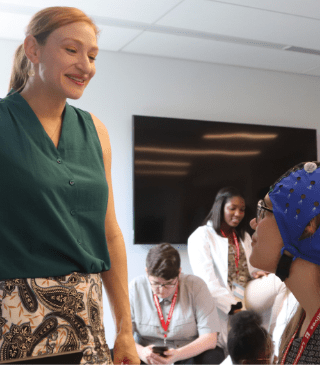
I had the honor of presenting my research to a distinguished panel of judges, among them Dr. James Giordano, Chief of Georgetown University’s Neuroethics Studies Program.
My presentation aimed to engage in discourse and shed light on the ethical considerations inherent in reviewing research about Expanding the ADHD Diagnosis Framework for the esteemed judges.
The Frontier of Neuroscience
Center for Functional and Molecular Imaging
The Center for Functional and Molecular Imaging (CFMI) at Georgetown is one of the world’s leading institutions with expertise in structural, functional, and brain imaging.
While visiting the CFMI, I met Dr. Ashley VanMeter, Director of the Neuroimaging Corps at Georgetown University, who described to me the rationale, protocols, capabilities, and limitations of functional magnetic resonance imaging for clinical and basic science applications.
I not only learned about the science behind fMRI, but also had the opportunity to see a machine that possesses a magnetic power of 30,000 times the strength of Earth’s magnetic field.
Neuromodulation
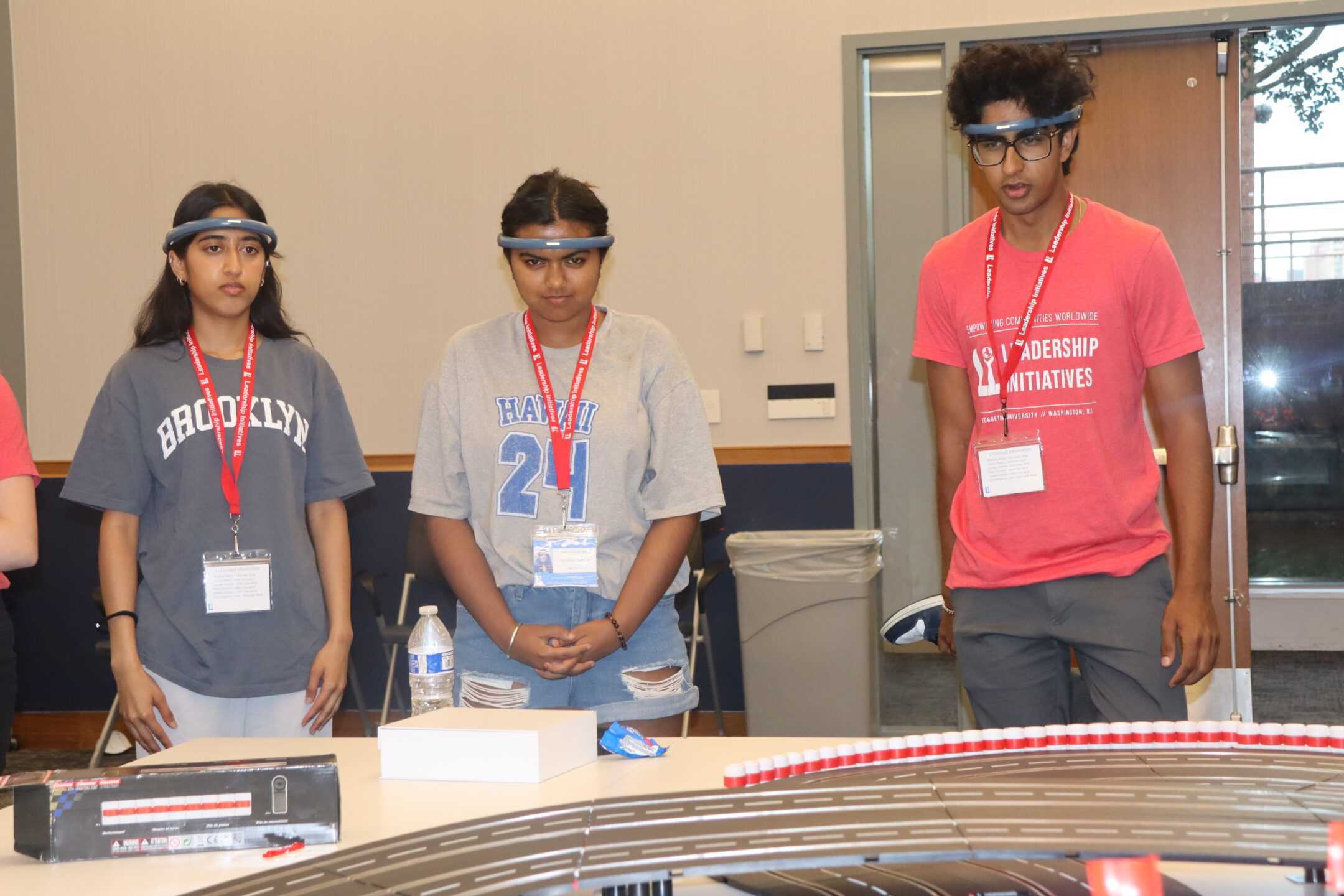
Neuromodulation is a technology that electrically stimulates nerves or chemically targets neurological sites to treat a vast array of conditions and symptoms.
I specifically learned about transcranial direct current stimulation and the neuromodulation devices available for public purchase. These technologies provide external electrical stimulation through a helmet or headband of electrodes.
To further demonstrate the applications of neuromodulation, we learned about electrical stimulation, perception of stimuli, and used the electrical activity captured from flexing my own muscle to contract the muscle of another intern. Through this, we could control each other’s arms!
Internship Highlights
- Dr. James Giordano
- Deep Brain Stimulation
- The Creative Brain
- Experts & Mentors

I had the chance to work and collaborate directly with Dr. James Giordano, Chief of Georgetown University’s Neuroethics Studies Program.
In addition to his involvement with a variety of educational institutions, Dr. Giordano is the author of over 350 publications in neuroscience and neuroethics.
During our first meeting, Dr. Giordano guided us through an exploration of our own brains, minds, and selves, probing for the problems, meanings, and questions within the world that surrounds us.
In subsequent meetings, Dr. Giordano frequently prompted both introspection and extrospection to encourage familiarity with our own minds, as well as our environment, and how the two can interact to our benefit.
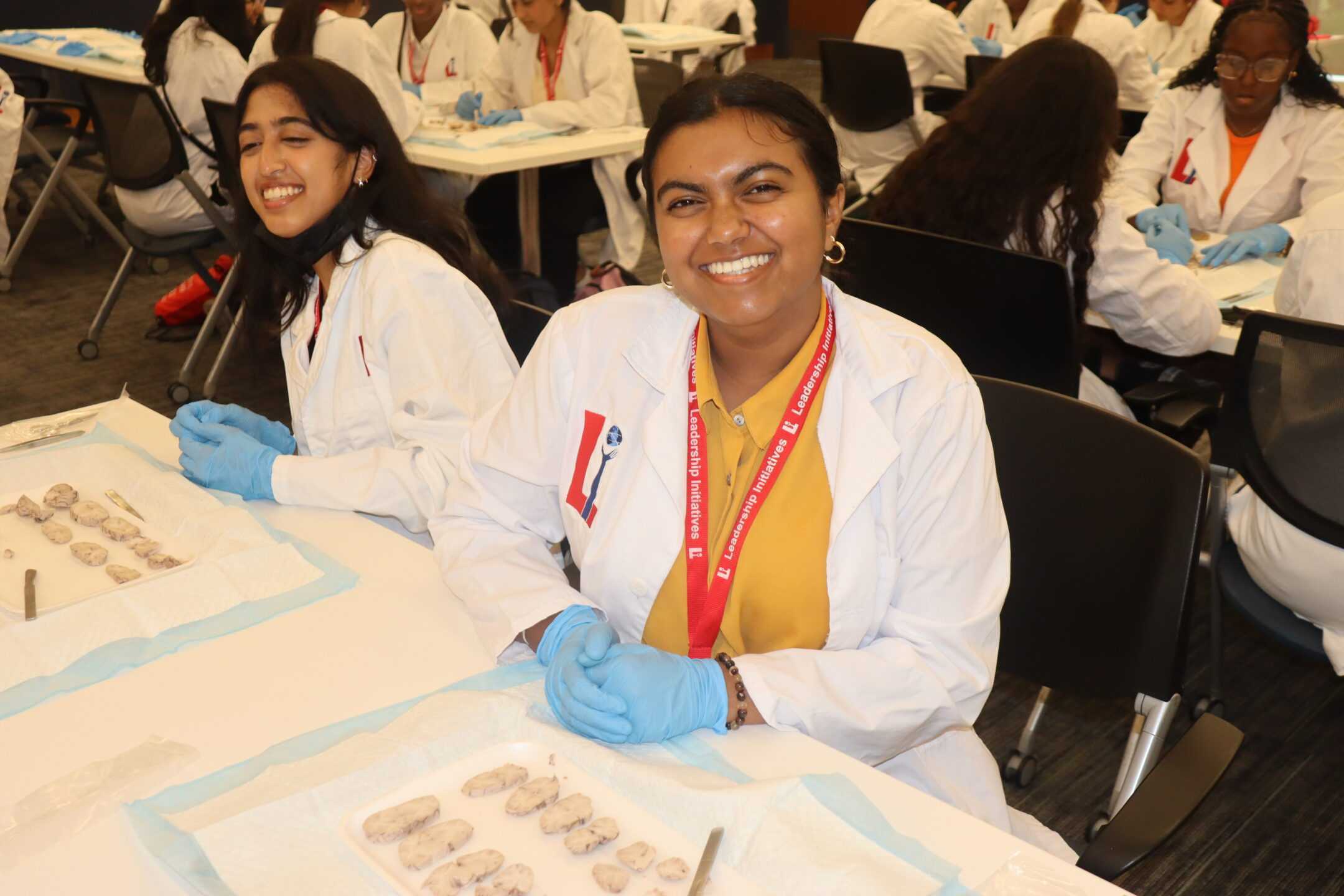
I had the unique opportunity to learn from Dr. Michael Okun, a neurologist, neuroscientist, and founder of the University of Florida’s Movement Disorders Program.
The university’s program aims to provide interdisciplinary and integrated care that facilitates communication between all members of their team to provide the best care possible.
Within his work, Dr. Okun utilizes Deep Brain Stimulation (DBS), which operates like a pacemaker within the brain and is often inserted via conscious surgery.
During this operation, electrodes are put in the brain to regulate electrical signals and help with conditions like Epilepsy, Parkinson’s Disease, Dystonia, Obsessive Compulsive Disorder, and Essential Tremor.

I had the opportunity to discuss stimulating creativity through brain science with Dr. Adam Green, the Director of the Lab for Relational Cognition at Georgetown University.
Dr. Green maintains that creative insights are “the product of connections made between things other people didn’t put together,” and we explored the neurological foundations of this theory.
In one of his most prominent experiments, Dr. Green had participants draw the analogies to evaluate semantic distance and creativity as explained above, but also regarded the potential role of neuromodulation.
tDCS is transcranial direct current stimulation, which is a non-invasive “helmet” of sorts that allows for the modification of the neural pathways’ firing in the brain. The external stimulator is placed on the scalp and then provides electrical stimulation to a broad region in order to control the neurons’ firing. We also had a chance to observe and try neurofeedback technology that uses how we learn to help us train our brains in real time!
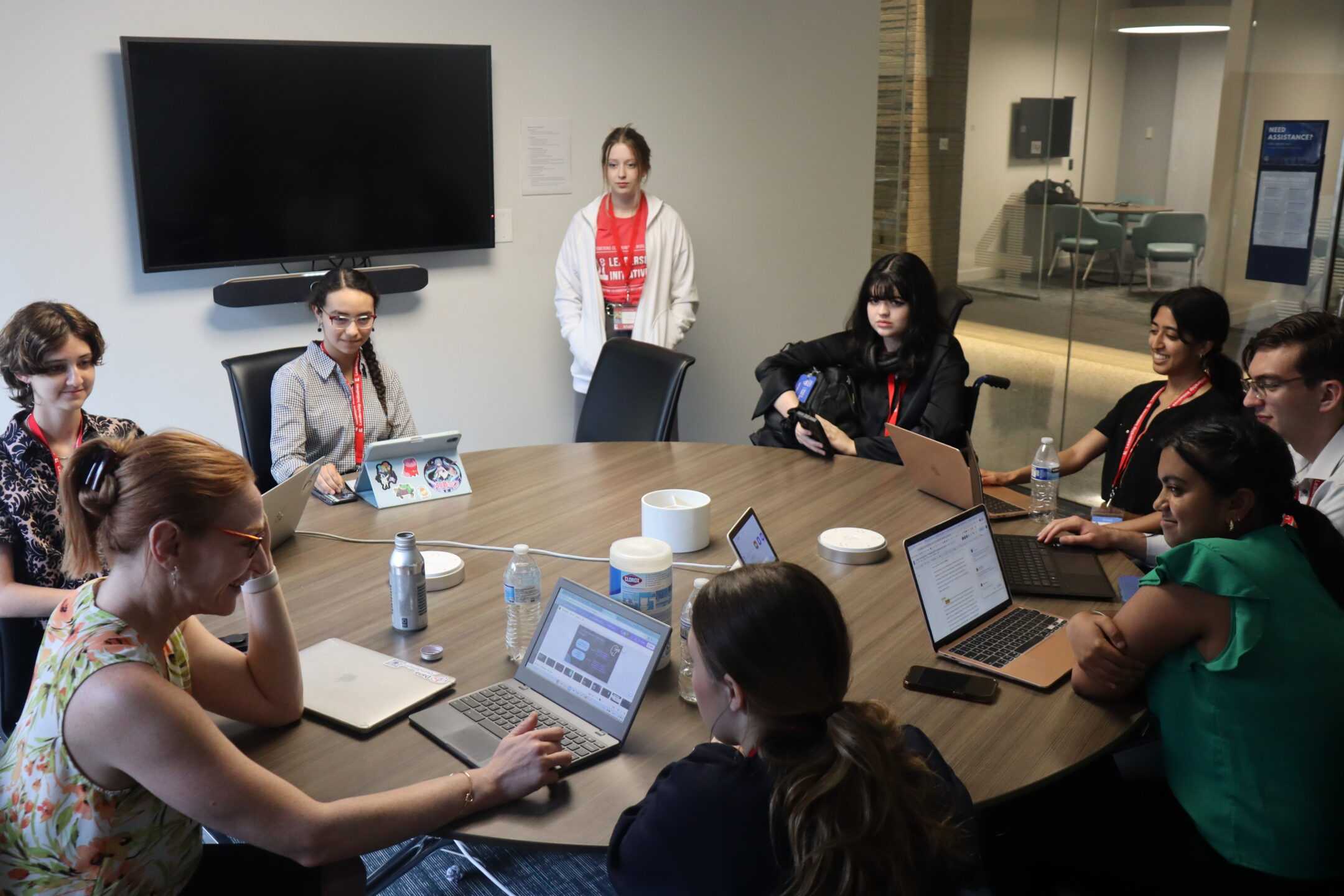
Along with Dr. Giordano, I had the opportunity to work closely with Dr. Rachel Wurzman, a Dana Foundation Fellow in Neuroscience and Society.
Dr. Wurzman encouraged us to think critically about the questions that help drive science forwards and improve our understanding of the world around us through a biopsychosocial lens. She also lent her expertise of neuroplasticity, neurodiversity, and neuroethics to help our team develop our research proposal.
In addition to our work with Dr. Wurzman, we had the opportunity to meet with a variety of neuroscientists with a variety of unique specialities.
One such professional was Dr. Fernando Pagan, a Georgetown Neurologist and the Director of Movement Disorders, who is a nationally recognized leader in Parkinson’s Disease treatment. We were able to learn about Movement Disorders from various perspectives as Dr. Pagan was joined by Captain Rick Schena, who lives with Parkinson’s and explains how his treatment plan allows him to still do what he would like to do.